Diesel diagnostics
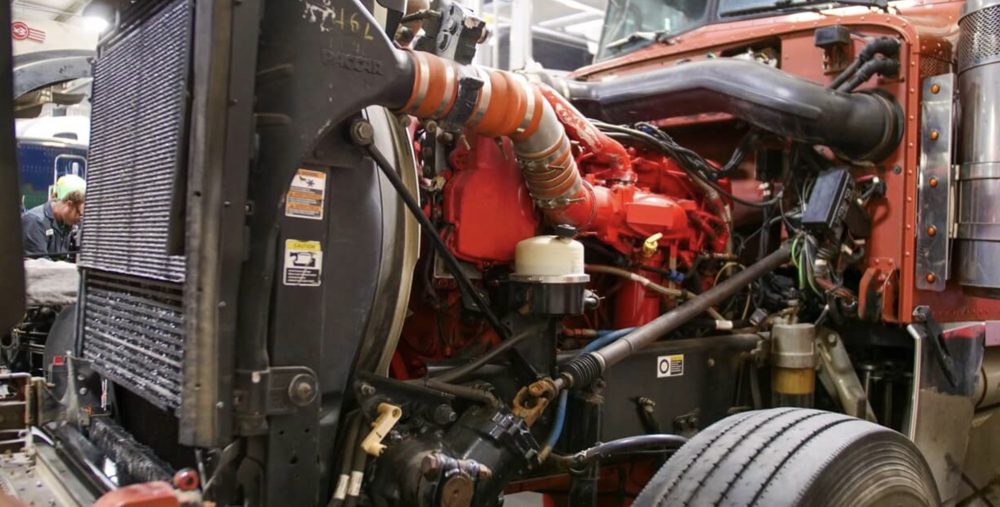
Fault codes, cranking tests, fuel and air work, explained plainly and repaired where the truck sits.
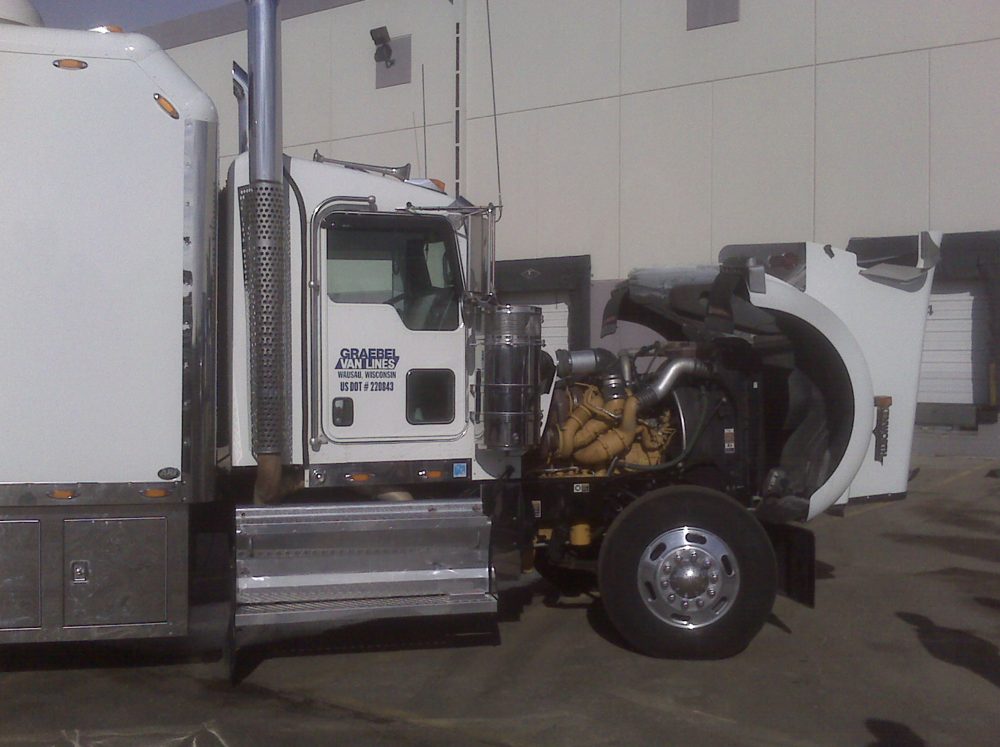
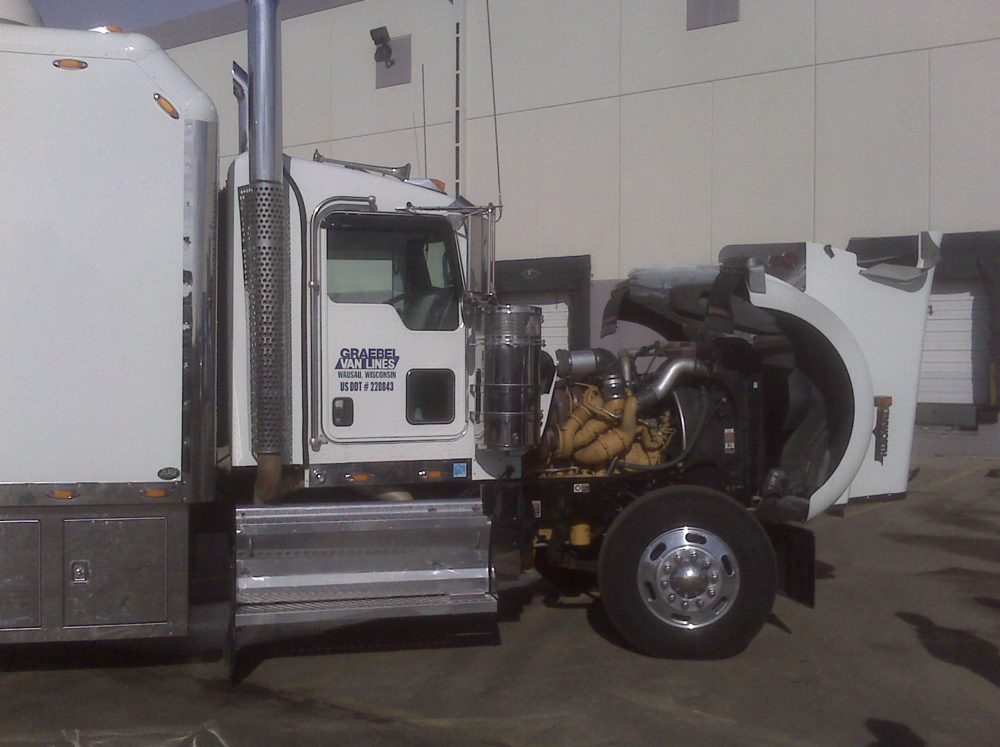
Toledo is a crossroads with a work ethic: I-75 running north-south, the Ohio Turnpike running east-west, a Great Lakes port, and the industrial bones of a city that still makes things. Freight moves through here in every direction, and some of it breaks down. Mr. Toledo Truck Repair meets it where it stops, at the yards off Alexis Road, the docks near the river, or the shoulder the Turnpike assigned.
Diesel diagnostics, air and brakes, trailers, tires, electrical, and fleet maintenance with northwest Ohio's full weather schedule priced in.
Toledo fleets skew practical: manufacturing support, regional distribution, construction, and the port-and-rail traffic that keeps a crossroads busy. We fit that culture with scheduled yard rounds, written unit histories, and warnings delivered early enough to matter. When a truck starts developing a pattern, the conversation is about causes, not just parts.
Owner-operators passing through get crossroads hospitality: same diagnostics, same honesty, and a verdict fast enough to keep their clock alive.
Eyes on the truck, then:
Fault codes, cranking tests, fuel and air work, explained plainly and repaired where the truck sits.
Junction traffic wears brakes and winter freezes air. Chambers, valves, dryers, adjustment, all handled on location.
Lights, plugs, air lines, doors, landing gear, at the dock or drop lot.
Load tests before verdicts, salt-belt connector work as a specialty, charging systems verified under load.
Changeouts and repairs at the truck, seasonal pressures respected, duals matched.
Scheduled rounds with October winterization and spring thaw checks built into the rhythm.
The map is the junction: I-75 from the Michigan line down past Perrysburg, the Turnpike east toward Cleveland and west toward Indiana, I-475 looping the west side, and US-20 and US-24 carrying the regional load. The freight concentrates in the north-end yards, the Rossford and Perrysburg logistics parks, and the intermodal traffic that a rail town naturally collects.
Turnpike work follows Turnpike rules, and we know them: service coordination where required, safe positioning always, and honest talk when the smartest repair starts at the next service plaza instead of a live shoulder.
Failure, location, cargo, mobility. In exchange: a probable cause, a plain fix-here-or-bay judgment, and a window quoted against actual conditions, which in this town includes whatever the lake decided this morning.
From November on, the winter questions ride along: sitting time, plug-in status, fuel treatment. Northwest Ohio cold is honest cold, and it audits every shortcut a maintenance plan ever took.
Within its service rules, yes. Coordination happens where the road requires it, and when the safe answer is the next plaza or exit, we say so and meet you there. Live-lane heroics are not a service.
Those corridors are the daily route, and quoted windows come from where our truck actually is. North Toledo through Perrysburg is our fastest arc.
One call with the unit list. We clear yards route-first, worst-first, and the October winterization customers mostly watch this happen to other fleets.
Yes. Chassis, trailers, and the yard equipment a rail-and-port town runs. Access rules vary by facility and we navigate them as part of the job.
The city runs on them and their liftgates fail like everyone's. Same triage, same number, same honesty.
Quoted before we roll, absorbed into the repair when the work proceeds, and if the phone diagnosis already says bay, you hear that for free. Toledo appreciates plain dealing and so do we.
Yes, both are on standing rotation for account fleets. Yard rounds land between shipping waves, unit notes travel with the equipment, and October winterization gets booked before the first squall does it for us.
Deliberately, yes. Brakes, air, tires, batteries, and lights on anything that sat. Stored equipment fails on its first real mile more than any other kind, and a short inspection converts that statistic into somebody else's.
On flatbed and curtain-side equipment, yes: winches, straps, rub rails, and headache racks get inspected and repaired with the rest of the rig. A securement write-up parks a load exactly as hard as a mechanical one.
Both directions from the junction, judged per call against distance and conditions. Give us your mile marker and you get an honest reach answer on the first call.
The crossroads does not close and the phone keeps its hours. Weekend triage is weekday triage with lighter traffic.
The lake writes the winter here: snow squalls off the water, freeze-thaw cycles that heave pavement and loosen everything bolted to a truck, and salt that funds our electrical work through spring. Cold-season mornings bring the no-start clusters every northern fleet knows, and the fall winterization visit remains the best money a Toledo fleet spends all year. We schedule those in October on purpose.
Summers are honest working seasons: construction freight, brake wear from the stop-and-go around the junctions, and the tire failures that follow hot pavement and heavy loads everywhere. The service truck flips its stock by season, and the seasons here mean it.
Glass City industrial traffic also brings specialized bodies through our days: flatbeds hauling sheet and coil, curtain-siders, and the securement hardware that fails inspection more often than anything under the hood. We check straps, winches, and headache racks as part of any flatbed call, because a securement violation parks a truck as fast as a brake one.
Half of Toledo's freight thinks in two states: Detroit-bound runs that cross the line daily and the southbound flow toward Findlay and Dayton. Breakdowns do not respect the border and neither does the phone. Calls near the line get judged on real distance, not jurisdiction, and the answer arrives with the same honesty either way. The corridor is the customer, wherever it happens to be standing.
Intermodal freight hands trucks its own failure schedule: chassis that sat months between moves, trailers grabbed off a ramp with pre-trip surprises, and timing windows set by trains that do not renegotiate. We work the ramp-adjacent yards with that reality in mind, checking the equipment nobody drove recently a little harder, because stored equipment lies about its condition until the first loaded mile. A ten-minute sweep at the ramp beats a shoulder call on the Turnpike every single time.
The port adds its seasonal rhythm, and the lake adds its weather, and between them a Toledo mobile truck technicians never wonders what the week will bring. It brings everything. We stock for that.
The irony of breaking down in Toledo is that you are surrounded by connectivity you cannot use: two interstates, a turnpike, rail, and a port, all going everywhere while your truck goes nowhere. Mobile repair restores your membership. The fix comes to the junction, the truck rejoins the flow, and the crossroads goes back to being an advantage instead of a waiting room.
This city knows the difference between fixed and fixed properly, and it has no patience for the first kind. Our work is documented, torqued, tested, and explained, because the fleets here were raised on industrial maintenance culture and they check. That accountability suits us fine. It is the reason second visits are for new problems, not old ones.
Exit, failure, cargo, clock. Verdict, window, technician rolling. The junction keeps moving and now so do you.